
- All
- Product Name
- Product Keyword
- Product Model
- Product Summary
- Product Description
- Multi Field Search


Views: 0 Author: Site Editor Publish Time: 2025-09-03 Origin: Site


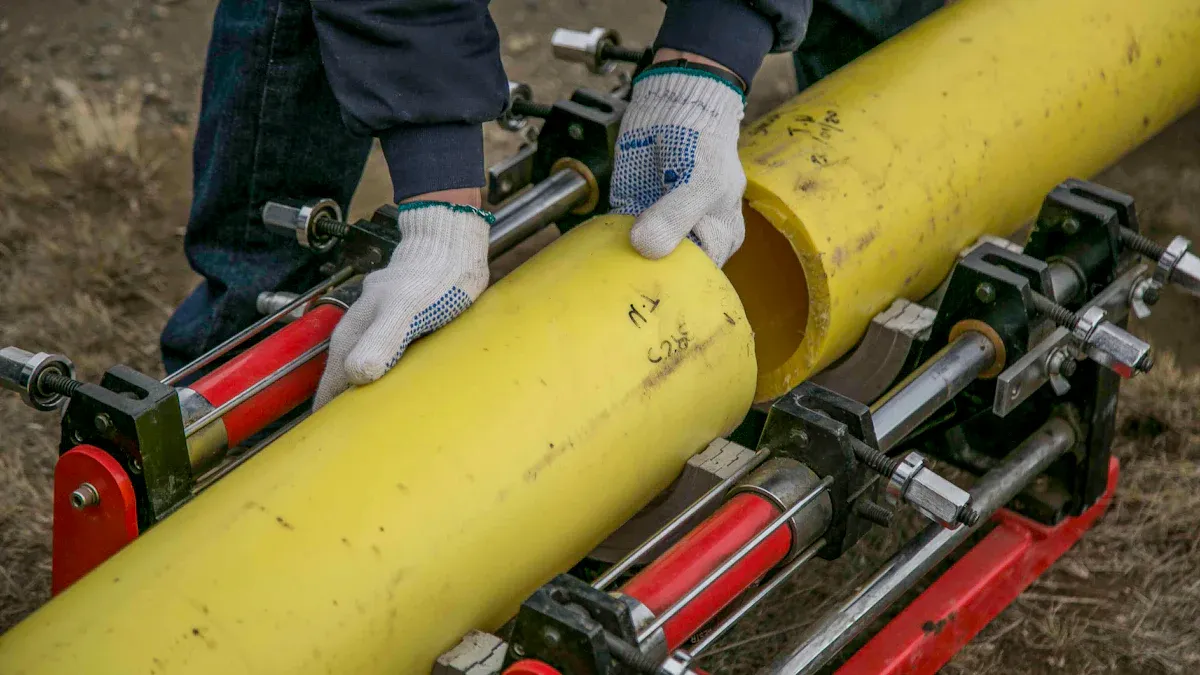
You will find that butt fusion is the most common way to join HDPE Pipe. This method uses heat and pressure to create a joint that is often stronger than the pipe itself. Reliable joints matter because they keep your system leak-proof and durable. Other fusion methods like electrofusion, socket fusion, and saddle fusion also offer strong connections. If you want easy installation and lasting performance, Longye HDPE Pipe is a smart choice.
Butt fusion is the most common method for joining HDPE pipes, creating strong, leak-proof joints.
Electrofusion allows for precise control and works well for different pipe sizes, making it ideal for repairs.
Socket fusion is simple and effective for small-diameter pipes, providing reliable connections without complex equipment.
Saddle fusion enables branch connections on main pipelines, useful for adding service lines without cutting the main pipe.
Compression fittings offer a quick, mechanical way to join pipes without heat, perfect for temporary setups.
Flanged connections provide strong, removable joints, ideal for large pipes needing frequent maintenance.
Always clean pipe surfaces before joining to ensure strong bonds and prevent leaks.
Regular inspections and maintenance extend the lifespan of HDPE pipe joints, which can last 50 to 100 years.
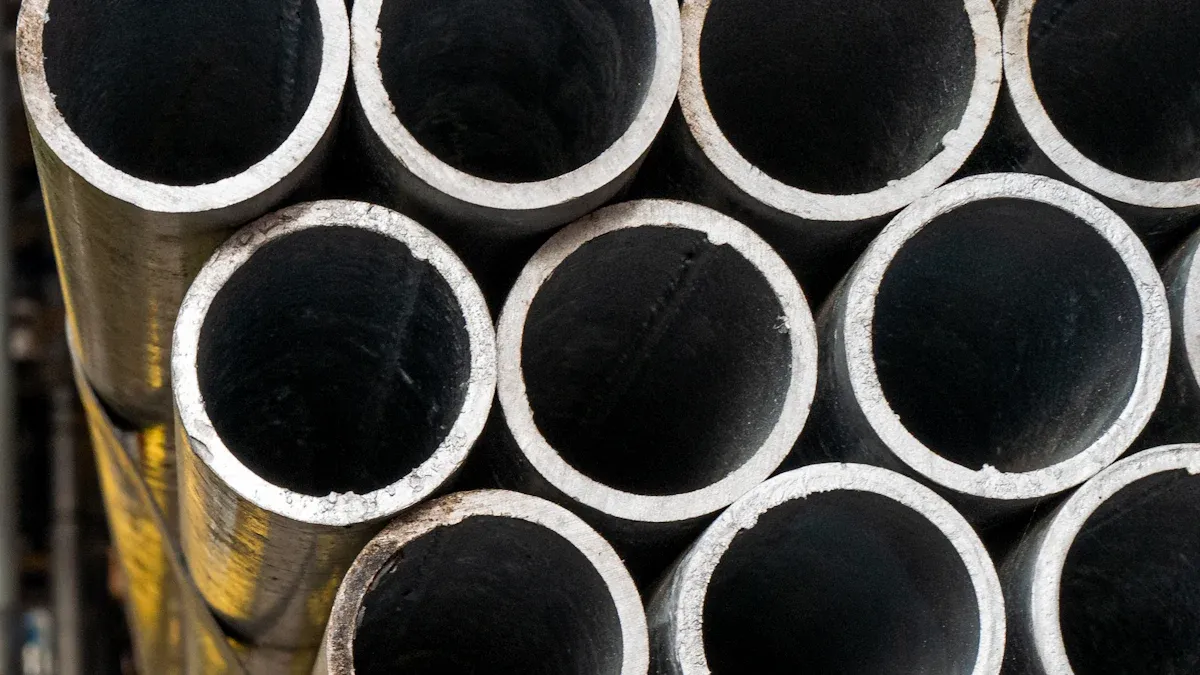
When you work with HDPE Pipe, you have several joining methods to choose from. Each method offers unique benefits and suits different applications. The table below gives you a quick overview of the main joining techniques used in industrial and municipal projects.
| Joining Method | Description |
|---|---|
| Butt Fusion | You heat and press the ends of two HDPE pipes together. This method works best for larger diameters. |
| Socket Fusion | You insert one pipe into the socket of another. This creates a leak-proof connection for smaller diameters. |
| Saddle Fusion | You join a smaller pipe to the side of a larger pipe. This method creates a branch connection, often used for service lines. |
| Electrofusion | You use a fitting with heating coils and electrical current to fuse pipes. This method works for different diameters. |
Butt fusion stands out as the most widely used method for joining HDPE Pipe. You use a special machine to heat the ends of two pipes. Once the ends reach the right temperature, you press them together. The joint cools and forms a strong, seamless bond. This process works well for pipes with the same diameter and wall thickness.
Advantages of Butt Fusion:
You need simple equipment.
You can join pipes quickly.
You get a strong, leak-proof joint.
You can use this method in tight spaces.
Tip: Butt fusion works best when you use pipes that meet industry standards like ISO 4427 or ASTM F714. Longye HDPE Pipe is compatible with butt fusion and meets these standards.
Electrofusion gives you precise control over the joining process. You use special fittings with built-in heating coils. When you apply an electric current, the coils heat up and melt the pipe surfaces. The melted surfaces fuse together and create a reliable joint.
Advantages of Electrofusion:
You can automate the process.
You get high joint integrity.
You can join pipes of different diameters and materials.
You reduce the risk of leaks.
Note: Electrofusion requires trained personnel and a higher initial investment in equipment. This method suits projects where you need flexibility and precision.
Socket fusion works well for small-diameter HDPE Pipe. You heat the socket of a fitting and the end of the pipe. You insert the pipe into the socket while both are hot. The materials fuse and form a leak-proof connection.
Advantages of Socket Fusion:
You get simple installation.
You can use this method for low-pressure or short-run pipelines.
You do not need complex equipment.
Socket fusion is ideal for irrigation systems and residential water lines. You can rely on Longye HDPE Pipe for easy socket fusion installation.
Saddle fusion lets you create branch connections on a main pipeline. You use a saddle fitting and a fusion machine. First, you clean and prepare the pipe surface. Next, you heat the saddle fitting and the pipe area. You press the heated saddle onto the pipe. The materials melt and fuse together. This process forms a strong, leak-proof joint.
You often use saddle fusion for service lines or irrigation branches. The method works well when you need to add a new line without cutting the main pipe. You can trust this technique for both small and large diameter pipes.
Tip: Always follow the manufacturer's instructions for saddle fusion. Proper alignment and heating help you achieve a reliable connection.
Compression fittings offer a mechanical way to join pipes. You do not need heat or special equipment. You slide the pipe into the fitting and tighten a nut. The nut compresses a ring inside the fitting. This action creates a watertight seal.
You find compression fittings useful for quick repairs or temporary installations. You can install them with basic tools. They work best for low-pressure systems and smaller pipe sizes.
Here is a simple table showing the steps for using compression fittings:
| Step | Action |
|---|---|
| 1 | Cut the pipe square |
| 2 | Insert pipe into fitting |
| 3 | Tighten the nut |
| 4 | Check for leaks |
Compression fittings give you flexibility. You can disconnect and reconnect pipes easily. This method suits projects where you need fast and simple solutions.
Flanged connections provide a strong and removable joint. You attach a flange to the end of each pipe. You align the flanges and bolt them together. A gasket between the flanges ensures a tight seal.
You use flanged connections for large diameter pipes and systems that need frequent maintenance. This method allows you to separate pipes without cutting. You often see flanged joints in industrial settings and water treatment plants.
Note: Flanged connections require precise alignment. Always check the gasket and bolts for proper installation.
You can use flanged connections with HDPE Pipe for reliable performance in demanding environments.
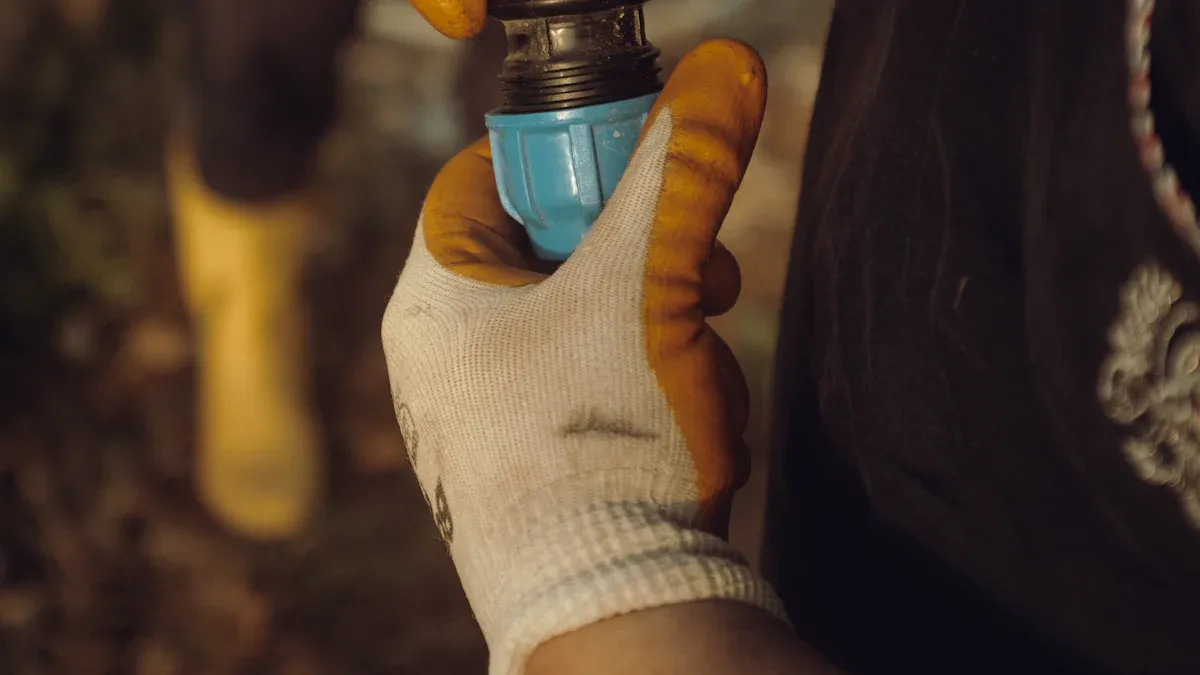
You can join pipes using butt fusion by following a clear, step-by-step process. This method uses heat and pressure to create a strong, seamless joint. Here is how you perform butt fusion according to industry standards:
Clamping the Pipe: Secure both pipe ends in the butt fusion machine. This step keeps the pipes aligned for the entire process.
Facing the Pipe: Use a facing tool to trim the pipe ends. This creates clean, parallel surfaces that match up perfectly.
Heating the Pipe: Place a heating plate between the pipe ends. The heat melts the surfaces, forming a proper melt pattern.
Fusing the Pipe: Remove the heating plate and press the melted pipe ends together. Hold them with the right force until the joint cools and solidifies.
Tip: Always check that the pipe ends are clean and properly aligned before starting. This helps you achieve a strong, reliable joint.
You need specialized equipment for butt fusion. The table below shows the main types of machines and their features:
| Equipment Type | Features |
|---|---|
| Butt Fusion Welding Machines | Control ovality, alignment, cleanliness, heat soak time, heater plate temperature, bead width, interfacial pressure, cooling time. |
| Range of Fusion Machines | Manual to fully automated, some with hydraulics and computer controls. |
| McElroy Models | Include Datalogger for real-time feedback and data collection. |
| Older Models | May allow Datalogger integration for quality control. |
Butt fusion offers several key benefits when you join pipes. You get a joint that is as strong as the pipe itself. The process melts and presses the pipe ends together, so there are no weak points. Here are some reasons why you might choose butt fusion:
The joint is seamless and leak-proof, which keeps your system secure.
You do not need extra materials like gaskets or adhesives, so you avoid chemical contamination.
The joint requires little maintenance, which saves you time and money.
You get consistent results every time, which is important for large projects.
The fused joint handles high stress and pressure, making it ideal for demanding environments.
Note: When you use butt fusion, you ensure long-term pipeline integrity. Properly fused joints do not leak, even under high pressure.
You will find butt fusion used most often in large-scale projects. This method works best for installing water and gas pipelines. It creates strong, durable connections that handle high-pressure systems. Many contractors choose butt fusion for municipal water supply, industrial piping, and gas distribution. If you need a reliable joint for your HDPE Pipe system, butt fusion is the top choice.
Electrofusion gives you a precise way to join HDPE Pipe. You use special fittings with built-in heating coils. The process follows a clear sequence. Here are the main steps you should follow:
Preparation: Start by making sure you have a safe work area. Check your equipment and gather all the tools you need.
Pipe and Fitting Preparation: Clean the pipe ends and the inside of the fitting. Use a scraper to remove the outer layer from the pipe surface. This step helps the materials fuse together.
Fitting Installation: Slide the fitting onto the pipe. Make sure the pipe and fitting line up correctly. Secure them in place so they do not move.
Welding Procedure: Connect the electrofusion control unit to the fitting. Set the correct parameters for the pipe size and fitting type. Insert the wires and start the welding cycle. Watch the process to make sure it runs smoothly.
Cooling and Solidification: Let the joint cool down after the welding cycle finishes. Do not move the pipe or fitting during this time. The joint needs to solidify for a strong bond.
Inspection and Testing: Look at the joint to check for any problems. You can also do a pressure test to make sure the joint does not leak.
Documentation and Quality Assurance: Keep records of the process. Make sure everyone working on the job has the right training and certification.
Tip: Always follow the manufacturer's instructions for each step. Careful preparation and attention to detail help you get the best results.
Electrofusion offers several benefits that make it a popular choice for joining pipes. You can use it in places where other methods might not work well. Here are some key advantages:
You can join pipes in tight spaces or trenches.
The process works for pipes of different sizes and thicknesses.
You get a strong, leak-proof joint every time.
The equipment is portable and easy to use on-site.
You can automate the process for better quality control.
Note: Electrofusion joints often match or exceed the strength of the pipe itself. This gives you confidence in the long-term performance of your system.
You will find electrofusion used in many types of projects. This method works well for water supply lines, gas distribution, and industrial piping. Contractors often choose electrofusion for repairs because you do not need to move the pipe much. You can also use it for new installations where space is limited.
Municipal water systems
Gas pipelines
Industrial plants
Irrigation networks
Repair and maintenance jobs
Electrofusion gives you flexibility and reliability. When you need a secure connection for HDPE Pipe, this method delivers excellent results.
Socket fusion gives you a reliable way to join HDPE pipes, especially when you work with smaller diameters. You heat both the pipe end and the inside of the fitting. When both parts reach the right temperature, you push the pipe into the fitting. The melted surfaces bond together and form a strong joint.
You often use socket fusion in domestic plumbing or irrigation systems. This method works best for pipes that carry water at low to moderate pressure. You do not need expensive equipment, so socket fusion is cost-effective for small projects.
Tip: Always make sure the pipe and fitting are clean before you start. Dirt or grease can weaken the bond.
Socket fusion joints last a long time. You get a connection that resists leaks and stands up to daily use. Many installers choose this method because it is simple and produces durable results.
Saddle fusion helps you create branch connections on a main pipeline. You use a saddle-shaped fitting and a fusion machine. First, you clean the area where you want to add the branch. Next, you heat both the saddle fitting and the pipe surface. When both are hot, you press the saddle onto the pipe. The materials melt and fuse together.
You often see saddle fusion in irrigation systems or municipal water networks. This method lets you add service lines without cutting the main pipe. You can use saddle fusion for both small and large pipes.
Saddle fusion creates a strong, leak-proof branch.
You can install new lines quickly.
The process works well in the field.
Note: Proper alignment is important. If the saddle does not sit flat, the joint may not seal well.
Compression fittings offer a mechanical way to join HDPE pipes. You do not need heat or electricity. Instead, you slide the pipe into the fitting and tighten a nut. This action compresses a ring inside the fitting, which seals the joint.
You might use compression fittings for temporary setups or repairs. They work best in low-pressure systems. You can install them with basic tools, so they are handy for quick fixes.
Compression fittings make it easy to disconnect and reconnect pipes. If you need to change your system, you can do so without cutting or welding.
Here is a table that compares these joining methods:
| Method | Description | Applications | Advantages |
|---|---|---|---|
| Socket Fusion | Heats pipe and fitting to create a secure bond | Small-diameter pipes, domestic plumbing | Cost-effective, strong and durable |
| Compression Fittings | Uses mechanical parts to seal without heating | Temporary installations, low-pressure systems | Quick installation, easy disassembly |
| Flanged Connections | Uses flanges and bolts with a gasket for a tight seal | Large-diameter, high-pressure systems | Easy maintenance and modifications |
Remember: Each method has its place. Choose the one that fits your project’s needs for strength, speed, and flexibility.
Flanged connections give you a strong and removable way to join HDPE pipes. You use this method when you need to connect or disconnect pipes often. Flanged joints work well for large-diameter pipes and systems that require regular maintenance.
To make a flanged connection, you attach a flange to the end of each pipe. You then place a gasket between the flanges. Next, you align the flanges and bolt them together. The gasket creates a tight seal that prevents leaks. This method does not require heat or electricity, so you can use it in many environments.
Here is a simple step-by-step guide for making a flanged connection:
Cut the pipe end square and clean it.
Slide the backing ring onto the pipe.
Attach the flange adapter to the pipe end.
Place the gasket between the two flange faces.
Align the flanges and insert the bolts.
Tighten the bolts evenly in a crisscross pattern.
Tip: Always check the gasket for damage before installation. A damaged gasket can cause leaks.
Flanged connections offer several advantages:
You can easily disconnect and reconnect pipes for repairs or changes.
You get a reliable seal, even in high-pressure systems.
You can use flanged joints with other materials, such as steel or ductile iron.
You do not need special fusion equipment.
You often see flanged connections in water treatment plants, pump stations, and industrial facilities. These places need strong joints that you can take apart for inspection or cleaning. Flanged joints also help when you connect HDPE pipes to valves, pumps, or other equipment.
Comparison Table: Flanged Connections vs. Other Methods
| Feature | Flanged Connections | Butt Fusion | Compression Fittings |
|---|---|---|---|
| Removable Joint | Yes | No | Yes |
| Leak-Proof | Yes (with gasket) | Yes | Yes |
| Special Equipment | No | Yes | No |
| Best For | Large pipes, frequent maintenance | Long runs, permanent joints | Quick repairs, small pipes |
Note: Tighten bolts evenly to avoid damaging the gasket or flange. Uneven tightening can lead to leaks.
Flanged connections give you flexibility and strength. You can trust this method for projects that need easy access and reliable performance. When you use Longye HDPE Pipe, you get flanges that fit well and last a long time. This makes your installation process smooth and your system dependable.
When you choose a joining method for your project, you need to think about several important factors. Each method works best in certain situations. Here are some key points to consider:
Pipe diameter plays a big role. Butt fusion works best for larger diameter pipes. Electrofusion fits smaller pipes and fittings. Mechanical fittings give you flexibility and make installation easier.
Pressure rating matters. High-pressure systems need strong, permanent joints. Butt fusion and electrofusion both create leak-proof connections that handle high pressure.
Environmental conditions affect your choice. Outdoor installations face sunlight and weather. HDPE pipe fittings resist UV radiation, so they do not become brittle or crack. Many fittings use UV stabilizers like carbon black. This feature helps them last longer outside.
Durability and sustainability are important. HDPE fittings last a long time. Their long lifespan means you replace them less often, which reduces waste and supports eco-friendly projects.
Application type guides your decision. Water supply, gas lines, and irrigation systems may need different joining methods. Think about how often you need to disconnect or repair the pipes.
Tip: Always check the product documentation for your pipes and fittings. For example, Longye HDPE Pipe comes with clear guidelines on which joining methods work best. This step helps you avoid mistakes and ensures a reliable installation.
You have several joining methods to choose from. Each one offers unique benefits. The table below compares the main methods based on common project needs:
| Joining Method | Best For | Strength | Installation Ease | Removability |
|---|---|---|---|---|
| Butt Fusion | Large diameter, high pressure | Very High | Moderate | No |
| Electrofusion | Small/medium pipes, repairs | High | Moderate | No |
| Socket Fusion | Small pipes, low pressure | High | Easy | No |
| Saddle Fusion | Branch connections | High | Moderate | No |
| Compression Fittings | Temporary, quick repairs | Moderate | Very Easy | Yes |
| Flanged Connections | Large pipes, maintenance | High | Moderate | Yes |
You should match the joining method to your project’s needs. For example, if you need a permanent, leak-proof joint for a large water main, butt fusion is a strong choice. If you want to add a branch line or make a quick repair, compression fittings or saddle fusion may work better. Outdoor projects benefit from UV-resistant fittings, which help your system last longer.
Note: Always consult the manufacturer’s recommendations. This step ensures that your chosen method matches the pipe material and the demands of your project.
When you join HDPE pipes, you want every joint to last. Avoiding common mistakes helps you achieve strong, leak-free connections. Here are some pitfalls you should watch out for:
Failing to clean the pipe surface can stop the materials from bonding. Always remove dirt, dust, and grease before starting.
Using sealants or repair materials that do not match HDPE can cause leaks. Stick to products designed for HDPE systems.
Misaligning pipes during joining puts stress on the joint. This stress can lead to cracks or failures over time.
Skipping the drying time for repair materials weakens the bond. Let all materials set fully before testing or using the pipe.
Rushing the fusion process or using the wrong temperature can create weak joints. Take your time and follow the correct procedure.
Tip: Always check the alignment and cleanliness of the pipes before you start the fusion process. Small mistakes at the beginning can lead to big problems later.
You can also prevent joint failures by understanding their causes and solutions:
| Cause of Joint Failure | How to Prevent It |
|---|---|
| Installation errors | Follow proper installation practices |
| Chemical degradation | Monitor chemical exposure |
| Thermal degradation | Control temperature during fusion |
| Mechanical damage | Protect pipes from impacts |
| Fatigue failure | Inspect for signs of stress regularly |
| Manufacturing defects | Use high-quality, tested materials |
| Environmental stress cracking | Assess site conditions before installing |
| Ground movement | Monitor ground stability |
| Hydraulic surges | Manage pressure changes |
| Aging failure | Schedule regular maintenance |
You can boost the quality and reliability of your HDPE pipe joints by following a few key tips:
Clean and Prepare Pipe Ends: Always clean the pipe ends thoroughly. Remove any oxidation or debris to help the materials fuse properly.
Use the Right Tools: Choose equipment designed for HDPE pipe fusion. High-quality tools give you better control over heat and pressure.
Maintain Proper Temperatures: Monitor the heating plate and environment. Keep the fusion temperature steady to avoid damaging the pipe.
Apply Consistent Pressure: During fusion, press the pipe ends together with even force. This step ensures a smooth, uniform joint.
Allow for Cooling: Let the joint cool naturally before moving or testing it. Rushing this step can weaken the bond.
Inspect Before and After Fusion: Check pipes and fittings for cracks or defects before joining. After fusion, look for smooth, even beads around the joint.
Test the Joint: Perform a pressure test after installation. This test helps you catch leaks or weak spots early.
Remember: Careful planning and attention to detail at every step will help you build a reliable HDPE piping system. When you use quality products like Longye HDPE Pipe and follow these best practices, you set your project up for long-term success.
You want your HDPE pipe system to last as long as possible. Regular inspection helps you catch problems early and keep your joints strong. Start by looking for any signs of damage or wear. You should also check for leaks or areas where the pipe looks stressed.
Check the pipe joints for cracks, discoloration, or deformation.
Look for leaks around fittings and connections.
Use visual inspections and pressure tests to find weak spots.
Monitor the temperature and pressure of your system.
Watch for changes in the fluid moving through your pipes.
Apply preventive measures like lubrication and corrosion protection if needed.
Tip: Schedule inspections at regular intervals. Early detection of issues can save you time and money on repairs.
You can use basic tools for most inspections. A flashlight, a pressure gauge, and a simple checklist help you stay organized. If you find any problems, fix them right away to prevent bigger issues later.
HDPE pipe joints can last for decades when you use the right joining method and follow good maintenance practices. The expected lifespan depends on how you join the pipes and the conditions they face.
Here is a table that shows how long different joining methods usually last:
| Joining Method | Expected Lifespan |
|---|---|
| Butt Fusion | 50 to 100 years |
| Electrofusion | Shorter than butt fusion |
| Metal Pipes | 20 to 50 years |
Butt fusion joints give you the longest service life. These joints often last 50 to 100 years when installed and maintained correctly. Electrofusion joints also perform well, but they may not last as long as butt fusion. Metal pipes usually have a shorter lifespan because they can corrode or wear out faster.
Note: You can extend the life of your HDPE system by following a regular inspection schedule and fixing any issues quickly.
Choose the right joining method for your project and keep up with maintenance. You will enjoy a reliable, long-lasting piping system that stands up to tough conditions.
You have several reliable ways to join HDPE Pipe, with fusion techniques like butt fusion and electrofusion leading the industry. These methods create joints that often outlast the pipe itself and keep your system leak-free. Always match your joining method to your project’s needs, considering pressure, environment, and application. Using high-quality products ensures your installation stands the test of time. Regular inspection and operator training help maintain strong, dependable joints.
Butt fusion creates the strongest joint. You fuse the pipe ends together using heat and pressure. This method forms a seamless connection that often matches or exceeds the pipe’s strength.
Yes, you can use compression fittings or flanged connections. These methods do not require heat. You simply tighten mechanical parts to create a watertight seal.
You should perform a pressure test after joining. Fill the pipe with water or air, then monitor for drops in pressure. No drop means your joint is leak-proof.
Electrofusion and compression fittings work well for repairs. You can use them in tight spaces and on existing pipelines. These methods let you fix leaks quickly.
Yes, you need fusion machines for butt fusion, socket fusion, and electrofusion. These tools control heat and pressure. Always use equipment designed for HDPE pipe.
Yes, you can use flanged connections or transition fittings. These methods allow you to join HDPE to steel, ductile iron, or other materials securely.
A well-installed HDPE joint can last 50 to 100 years. Regular inspection and maintenance help you achieve the longest service life.
Yes, Longye HDPE Pipe supports all standard joining methods, including butt fusion, electrofusion, socket fusion, saddle fusion, compression fittings, and flanged connections.
Tip: Always follow the manufacturer’s instructions for the best results and longest-lasting joints.


