
- All
- Product Name
- Product Keyword
- Product Model
- Product Summary
- Product Description
- Multi Field Search


Have you ever wondered what makes HDPE pipes so essential? High-Density Polyethylene, or HDPE, is a versatile material used in many industries. This article explores its significance, applications, and benefits. You’ll learn why HDPE pipes are a popular choice for water supply, drainage, and more.
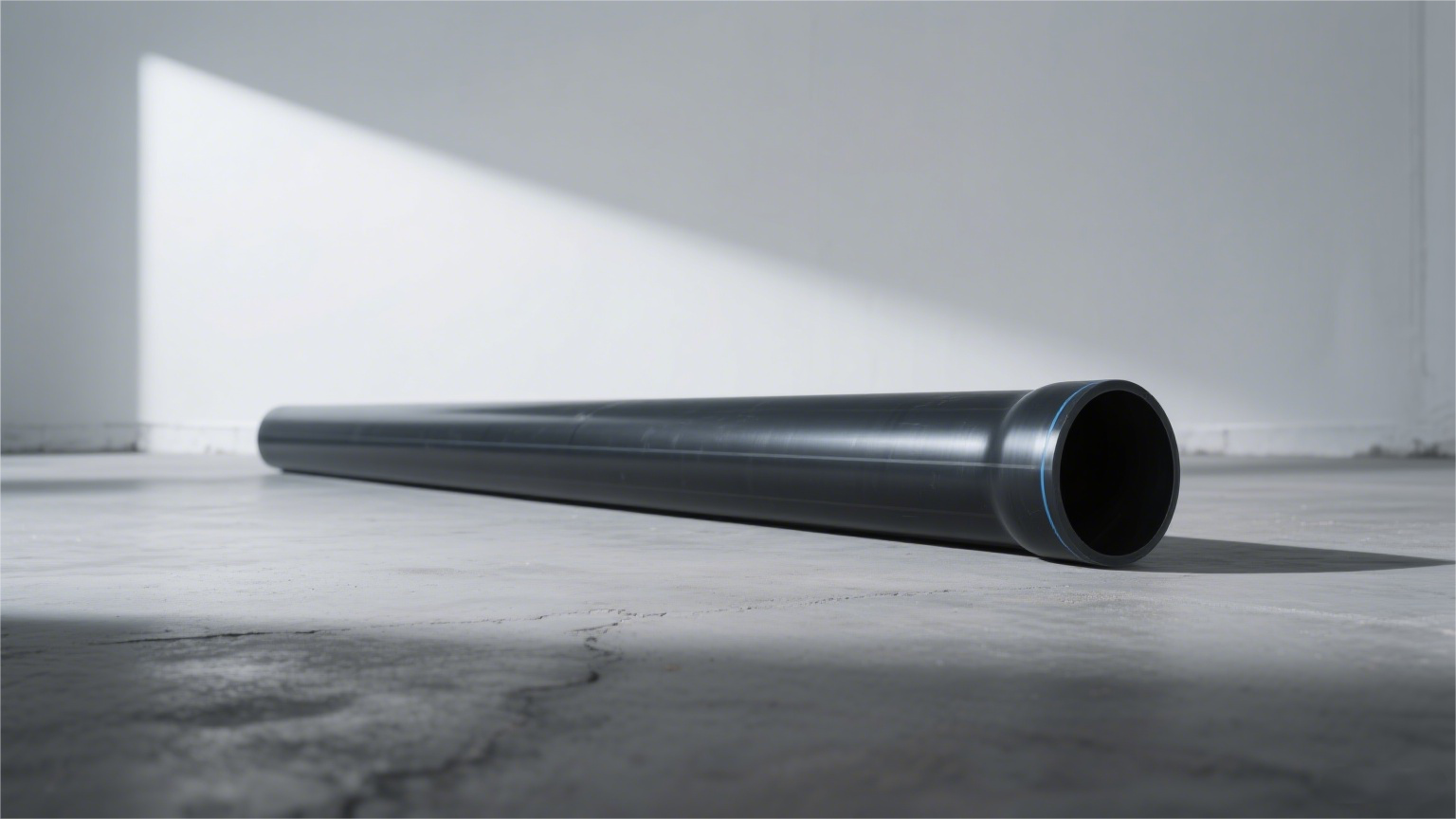
HDPE pipes are primarily made from high-density polyethylene. The two main types of base materials are PE80 and PE100.
● PE80: This material has a lower strength and is typically used for less demanding applications.
● PE100: Known for its higher strength, PE100 is suitable for more critical applications, making it the preferred choice for many industries.
To enhance performance, various additives are mixed into HDPE. For instance, carbon black is commonly used. It serves multiple purposes:
● UV Protection: It shields the pipes from harmful ultraviolet rays.
● Improved Durability: This additive increases the overall lifespan of the pipes.
HDPE pipes have unique physical characteristics that contribute to their popularity:
● Density: Typically, HDPE has a density of around 0.95 g/cm³, which makes it lightweight yet strong.
● Color Options: While most HDPE pipes are black, they can also come in various colors for identification purposes.
● Dimensions: They are available in a range of diameters and lengths, catering to different needs.
Property | Value |
Density | ~0.95 g/cm³ |
Color Options | Black, Blue, Green, etc. |
Diameter Range | 16 mm to 1200 mm |
These properties make HDPE pipes an excellent choice for various applications, including water supply and drainage systems. Their composition plays a crucial role in their effectiveness and reliability.
HDPE pipes offer several notable benefits, making them a popular choice in various applications:
● Corrosion Resistance: Unlike metal pipes, HDPE pipes do not rust or corrode. This property ensures a longer lifespan and less maintenance.
● Leak Resistance: HDPE pipes are designed to minimize leaks. They can be joined using methods like:
○ Heat Melting: This technique involves melting the pipe ends together, creating a strong bond.
○ Electrofusion: This method uses electrical heating to join pipes, ensuring a leak-proof connection.
● Toughness and Impact Resistance: HDPE is known for its ability to withstand impacts without cracking. This toughness is essential in high-stress environments.
● Low Friction Coefficient: The smooth interior surface of HDPE pipes results in a low friction coefficient. This feature promotes efficient fluid flow, reducing energy costs.
● Aging Resistance: HDPE pipes are resistant to aging and environmental stress. They can last over 50 years under normal conditions.
When discussing the mechanical properties of HDPE, two key aspects come into play:
● Tensile Strength: HDPE pipes exhibit high tensile strength, allowing them to handle significant stress without breaking. This makes them suitable for various applications.
● Flexibility: Despite their strength, HDPE pipes are flexible. This flexibility enables easy installation and adaptability to different environments.
Creep behavior refers to how materials deform under prolonged stress. HDPE pipes perform well under these conditions:
● Prolonged Stress: They can withstand continuous loads without significant deformation. This quality is crucial for applications where pipes are buried underground.
● Temperature Changes: HDPE maintains its integrity across a range of temperatures. It can handle thermal expansion and contraction without losing performance.
Property | Description |
Corrosion Resistance | No rust or corrosion |
Tensile Strength | High stress tolerance |
Flexibility | Adaptable to installation needs |
Creep Resistance | Minimal deformation over time |
These performance characteristics make HDPE pipes an excellent choice for various projects, from water supply systems to industrial applications.
Installing HDPE pipes can be done using various methods. The most common techniques include:
● Traditional Trenching Methods: This involves digging a trench where the pipes will be laid. While effective, it can be disruptive to the surrounding environment.
● Trenchless Techniques: These methods, like horizontal directional drilling, allow for pipe installation without extensive digging. This approach minimizes surface disruption and is often faster.
Installation Method | Advantages | Disadvantages |
Traditional Trenching | Straightforward and reliable | Disruptive to the environment |
Trenchless Techniques | Less surface disruption | Requires specialized equipment |
One of the significant benefits of HDPE pipes is their low maintenance needs. Here are key points:
● Low Maintenance: HDPE pipes require minimal upkeep. Their smooth inner surfaces reduce the buildup of deposits, which means less frequent cleaning is needed.
● Benefits of Smooth Inner Surfaces: The smoothness helps maintain high flow rates and reduces energy costs associated with pumping fluids.
To ensure the integrity and performance of HDPE pipes, regular inspections are essential. Here are common methods:
● Visual Inspection: This simple method involves checking for visible signs of damage or wear. It’s a quick way to assess the condition of exposed pipes.
● Ultrasonic Testing: This technique uses sound waves to detect internal flaws. It provides a detailed assessment of pipe integrity.
● Pressure Testing: By applying pressure, technicians can evaluate the performance of the pipes under stress. This method helps identify leaks or weak points.
Inspection Method | Purpose | Frequency |
Visual Inspection | Quick condition check | Regular intervals |
Ultrasonic Testing | Detect internal flaws | As needed |
Pressure Testing | Evaluate performance under stress | Periodic checks |
These installation and maintenance practices ensure that HDPE pipes perform optimally throughout their lifespan, providing reliable service in various applications.
HDPE pipes are incredibly versatile and find applications across various sectors. Let’s explore some of the most common uses:
● Municipal Applications: HDPE pipes are widely used in city water supply systems. Their corrosion resistance ensures a long lifespan, making them ideal for transporting potable water.
● Rural Applications: In rural areas, HDPE pipes are essential for bringing clean water to communities. They are lightweight and easy to install, which is beneficial in less accessible locations.
HDPE pipes play a critical role in drainage and sewage management:
● Stormwater Drainage: They efficiently manage stormwater runoff, helping to prevent flooding.
● Sewage Transport: Their smooth inner surfaces minimize blockages, ensuring reliable sewage flow.
For agriculture, HDPE pipes are a game-changer:
● Irrigation: Farmers use them for irrigation systems, delivering water directly to crops. This method conserves water and enhances crop yields.
● Durability: They withstand harsh environmental conditions, making them suitable for various climates.
In industrial settings, HDPE pipes are invaluable:
● Chemical Transport: They safely transport chemicals due to their resistance to corrosion and chemicals.
● Waste Management: HDPE is used in waste management systems, ensuring safe disposal of hazardous materials.
Safety and efficiency are paramount in gas distribution:
● Transporting Gases: HDPE pipes are utilized for natural gas distribution. Their flexibility and strength reduce the risk of leaks.
● Safety Features: They can withstand high pressures, ensuring safe transport of gases.
HDPE pipes also have a role in telecommunications:
● Protecting Cables: They provide protection for fiber optic cables and other conduits, ensuring signal integrity.
● Easy Installation: Their lightweight nature allows for quick and efficient installation in various terrains.
Application Area | Key Benefits |
Water Supply | Corrosion resistance, longevity |
Drainage and Sewage | Smooth flow, minimal blockages |
Agricultural Irrigation | Water conservation, durability |
Industrial Uses | Safe transport of chemicals |
Gas Distribution | High pressure tolerance, safety |
Telecommunications | Cable protection, easy installation |
HDPE pipes are crucial in many sectors, offering solutions that enhance efficiency and safety.
HDPE and PVC are two popular choices for piping systems, but they have distinct differences:
● Cost: Generally, HDPE pipes can be more expensive than PVC initially. However, their long lifespan often leads to lower overall costs.
● Durability: HDPE is known for its flexibility and toughness, making it resistant to impact. PVC, while strong, can become brittle over time, especially in cold temperatures.
● Environmental Concerns: HDPE is more environmentally friendly. It is recyclable and has a lower carbon footprint compared to PVC, which can release harmful chemicals during production.
Feature | HDPE Pipes | PVC Pipes |
Initial Cost | Higher | Lower |
Lifespan | Longer | Moderate |
Flexibility | High | Low |
Environmental Impact | Recyclable, lower footprint | Less eco-friendly |
When comparing HDPE pipes to metal pipes, several factors come into play:
● Strength: Metal pipes are generally stronger and can handle higher pressures. However, HDPE pipes are flexible, which allows them to absorb shocks better.
● Weight: HDPE pipes are significantly lighter than metal pipes. This makes transportation and installation easier and less costly.
● Corrosion Issues: HDPE is resistant to corrosion, while metal pipes can rust over time. This resistance leads to lower maintenance costs for HDPE.
● Installation Costs: The lightweight nature of HDPE reduces installation costs. Metal pipes require more labor and equipment due to their weight.
Feature | HDPE Pipes | Metal Pipes |
Strength | Flexible, shock-absorbing | Rigid, high-pressure handling |
Weight | Lightweight | Heavy |
Corrosion Resistance | Excellent | Prone to rust |
Installation Costs | Lower | Higher |
PPR (Polypropylene Random Copolymer) pipes are another alternative, and here’s how they stack up against HDPE:
● Heat Resistance: PPR pipes can handle higher temperatures better than HDPE. This makes PPR suitable for hot water applications, while HDPE is typically used for cold water.
● Application Limits: HDPE is versatile and can be used in various applications, including drainage and gas distribution. PPR is mainly used for plumbing and heating systems.
Feature | HDPE Pipes | PPR Pipes |
Heat Resistance | Lower | Higher |
Application Range | Versatile | Limited to plumbing |
In summary, each pipe material has its strengths and weaknesses. Understanding these differences can help in making the right choice for specific applications.
Absolutely, HDPE pipes are considered eco-friendly for several reasons:
● Recyclability: HDPE is 100% recyclable. After its life cycle, it can be reprocessed into new products, reducing waste.
● Environmental Safety: Unlike some other materials, HDPE does not leach harmful chemicals into the environment. This makes it a safer choice for both ecosystems and human health.
Feature | HDPE Pipes | Other Materials |
Recyclability | 100% recyclable | Varies |
Chemical Leaching | None | Possible |
Health safety is paramount, especially in applications involving drinking water:
● Non-Toxicity: HDPE pipes are non-toxic. They do not release harmful substances, making them safe for transporting drinking water.
● Implications for Drinking Water: Using HDPE pipes helps ensure clean, safe water supply. This is crucial for public health and safety.
Health Aspect | HDPE Pipes | Other Pipe Materials |
Toxicity | Non-toxic | Potentially harmful |
Drinking Water Safety | Safe | Varies |
Understanding the lifecycle of HDPE pipes helps evaluate their overall environmental impact:
1. Production: The manufacturing process of HDPE is energy-efficient compared to other materials. It requires less energy to produce, which helps lower carbon emissions.
2. Usage: HDPE pipes have a long lifespan, often exceeding 50 years. Their durability means fewer replacements, reducing resource consumption over time.
3. Disposal: At the end of their life, HDPE pipes can be recycled, minimizing landfill waste. This recycling process uses less energy than producing new materials.
Lifecycle Stage | Energy Consumption | Environmental Impact |
Production | Low | Lower emissions |
Usage | Long lifespan | Reduced replacements |
Disposal | Energy-efficient recycling | Minimal landfill waste |
By considering these factors, it's clear that HDPE pipes offer significant environmental benefits throughout their lifecycle.
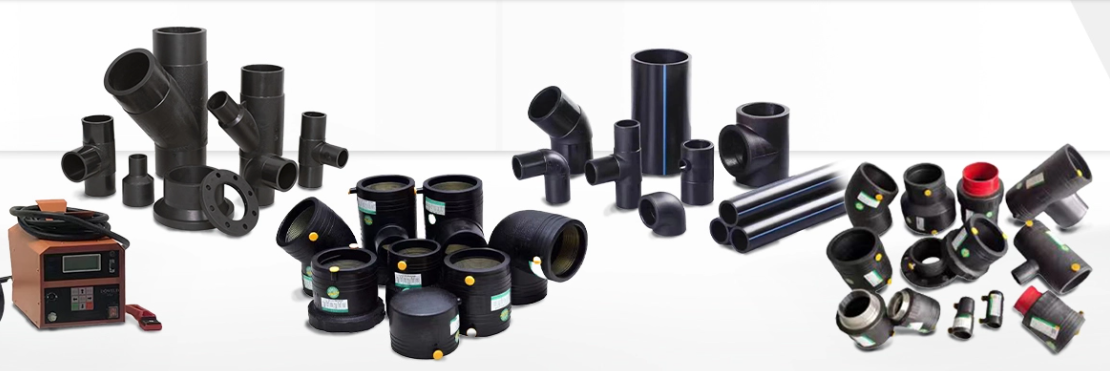
The field of HDPE pipe technology is rapidly evolving. Here are some exciting advancements:
● Innovations in Material Science: Researchers are developing new formulations of HDPE that enhance strength and flexibility. These improvements allow pipes to withstand higher pressures and resist environmental stressors.
● Advanced Manufacturing Processes: Techniques like 3D printing and automated production lines are becoming more common. These methods increase efficiency, reduce waste, and lower costs, making HDPE pipes more accessible.
Advancement | Description | Benefits |
Material Innovations | Stronger, flexible HDPE | Higher pressure resistance |
3D Printing | Custom pipe designs | Reduced waste and costs |
HDPE pipes are becoming essential in eco-friendly construction:
● Shift Towards Eco-Friendly Materials: As sustainability becomes a priority, builders are increasingly choosing HDPE. Its recyclability and low environmental impact align perfectly with green building standards.
● Sustainable Methods: Using HDPE in construction reduces the carbon footprint. Its lightweight nature means less energy is needed for transportation and installation.
Sustainability Aspect | HDPE Pipes | Traditional Materials |
Environmental Impact | Low | Higher |
Transportation Energy | Less required | More required |
By focusing on these advancements and sustainable practices, HDPE pipes are poised to play a crucial role in the future of construction and infrastructure.
HDPE pipes offer numerous benefits, including durability, recyclability, and safety. Their versatility makes them suitable for various applications, from water supply to drainage.
Looking ahead, advancements in material science and manufacturing processes will enhance their performance. As sustainability becomes essential, HDPE pipes will play a key role in eco-friendly construction practices.
A: HDPE pipes typically last over 50 years, depending on usage and environmental conditions.
A: Yes, HDPE pipes can handle hot water, but specific grades should be chosen for high temperatures.
A: Cost factors include material price, diameter, length, and installation requirements.
A: Consider the flow rate, pressure requirements, and application to determine the appropriate size.
A: Common failures include cracking, deformation, and joint failure, often due to improper installation or stress.


