
- All
- Product Name
- Product Keyword
- Product Model
- Product Summary
- Product Description
- Multi Field Search


Views: 0 Author: Site Editor Publish Time: 2025-09-04 Origin: Site


Have you ever wondered what HDPE pipes are? These versatile tubes play a crucial role in various industries.
Understanding the term "HDPE Pipe" is essential for anyone involved in construction or plumbing.
In this article, we’ll explore the meaning of HDPE, its characteristics, applications, and why it matters.
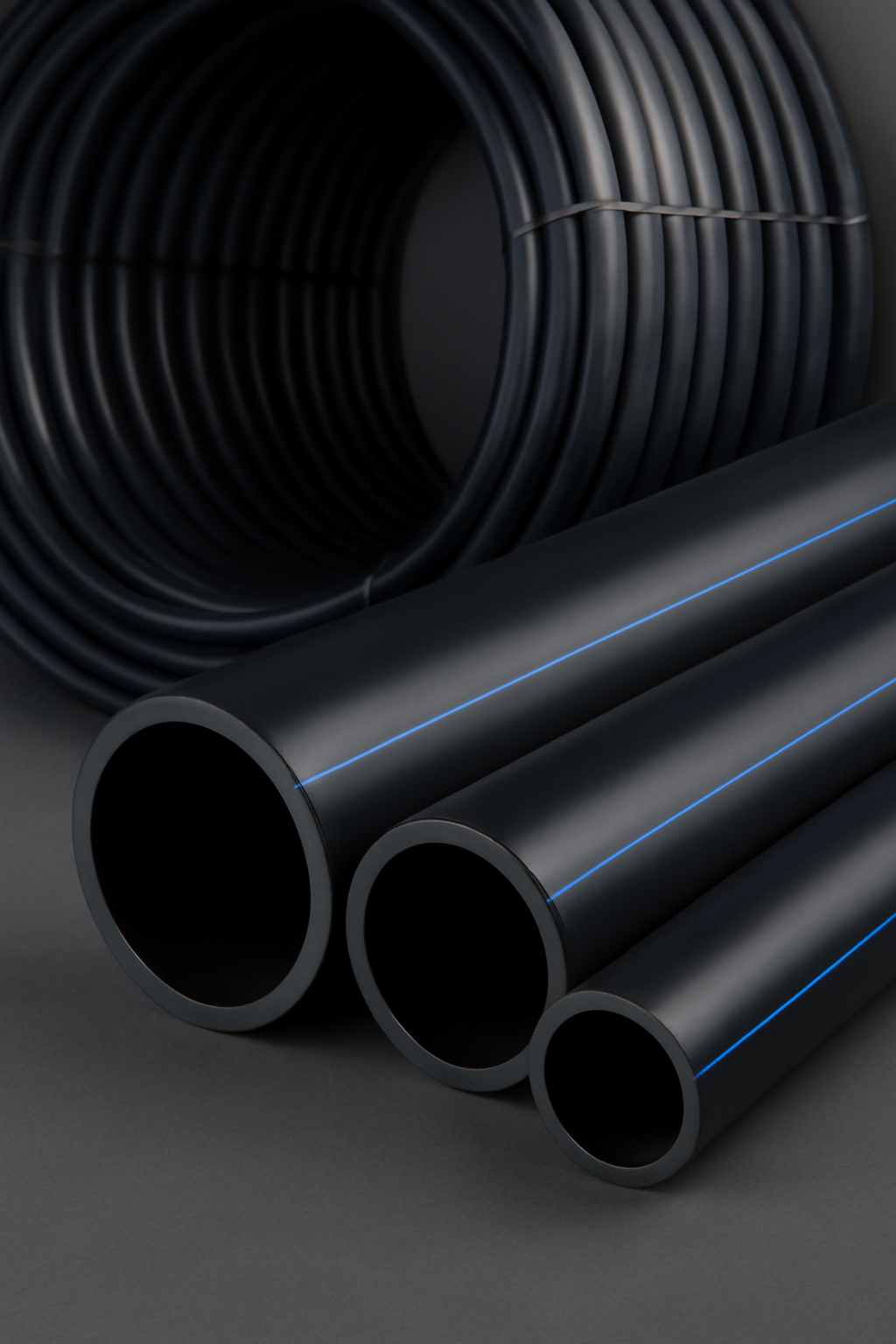
HDPE stands for High-Density Polyethylene. It is a type of plastic known for its strength and durability.
This material is created through the polymerization of ethylene, a gas derived from fossil fuels. Its chemical structure features a high density of molecular chains, which gives it impressive tensile strength.
Key Properties of HDPE:
● Strength: High resistance to impact and stress.
● Flexibility: Can bend without breaking.
● Chemical Resistance: Resists many chemicals and solvents.
● UV Resistance: Suitable for outdoor applications.
The journey of HDPE began in the 1950s. Initially, it was discovered during experiments with ethylene.
Milestones in HDPE Development:
● 1953: First commercial production of HDPE.
● 1960s: Adoption in packaging and piping industries.
● 1970s: Widespread use in agricultural applications.
● 1980s: Growth in the construction sector for water and gas lines.
Over the years, HDPE has become a go-to material in various sectors. Its versatility makes it ideal for everything from pipes to containers.
Today, HDPE is recognized for its sustainability. It can be recycled, making it an environmentally friendly choice.
HDPE pipes are made from High-Density Polyethylene. This material is created through a process called polymerization.
During polymerization, ethylene monomers are linked together to form long chains. This results in a dense molecular structure.
Advantages of High-Density Structure:
● Enhanced Strength: The density contributes to its robust nature.
● Longevity: HDPE pipes have a long lifespan, often exceeding 50 years.
One of the standout features of HDPE pipes is their high tensile strength. They can withstand significant pressure without breaking.
Key Benefits:
● Resistance to Deformation: They maintain shape under stress.
● Corrosion Resistance: Unlike metal pipes, HDPE won’t rust or corrode.
HDPE pipes are known for their flexibility. This makes installation much easier and quicker.
Comparison with Traditional Materials:
● Steel: Heavy and rigid, often requiring more support.
● Cast Iron: Prone to breakage and corrosion over time.
HDPE pipes, being lightweight, are easier to transport and install. This reduces labor costs and time.
Another impressive characteristic is the resistance of HDPE pipes to various chemicals. They can handle acids, bases, and solvents without degrading.
Benefits for Outdoor Applications:
● UV Resistance: HDPE can withstand sunlight without losing integrity.
● Weather Tolerance: Suitable for above-ground systems, even in harsh climates.
This makes HDPE pipes ideal for diverse applications, from water supply to gas transmission.
HDPE pipes come in a variety of diameters, ranging from 20 mm to 1600 mm. This range accommodates different flow requirements and applications.
Common Diameter Applications:
● 20 mm to 50 mm: Ideal for residential plumbing and irrigation systems.
● 100 mm to 300 mm: Commonly used for commercial water supply and drainage.
● 400 mm and above: Suitable for large-scale industrial applications, including sewage systems.
Each diameter size serves a specific purpose, ensuring efficient flow and distribution.
Wall thickness is another critical specification for HDPE pipes. It varies based on the pipe's diameter and intended use.
Significance of Wall Thickness:
● Pressure Rating: Thicker walls can handle higher pressures, making them suitable for demanding applications.
● Durability: Increased wall thickness enhances resistance to external forces and impacts.
Introduction to SDR (Standard Dimension Ratio): SDR is a key measurement that defines the relationship between the pipe's diameter and wall thickness.
Importance of SDR:
● Pressure Rating Determination: Lower SDR values indicate thicker walls and higher pressure ratings.
● Selection Guidance: Knowing the SDR helps in choosing the right pipe for specific applications.
SDR Value | Wall Thickness (mm) | Pressure Rating (Bar) |
SDR 11 | Varies by diameter | Up to 16 |
SDR 17 | Varies by diameter | Up to 10 |
SDR 21 | Varies by diameter | Up to 6 |
Understanding these specifications allows for informed decisions when selecting HDPE pipes for various projects.
When it comes to HDPE pipes, international standards play a crucial role in ensuring quality and safety.
ISO 4427 is one of the most significant standards. It outlines the specifications for polyethylene pipes used in water supply systems. This standard ensures that the pipes are suitable for their intended applications, promoting reliability and performance.
Other Key Standards Include:
● EN 12201: This European standard covers plastic piping systems for water supply and drainage. It specifies requirements for materials, design, and testing.
● ASTM Standards: In the U.S., ASTM D3035 is essential for HDPE pipe specifications. It provides guidelines on dimensions, tolerances, and physical properties.
Adhering to these standards is vital for safety and durability. Manufacturers must follow strict guidelines to produce reliable HDPE pipes.
Importance of Standards:
● Safety: Ensures pipes can withstand pressure and environmental conditions.
● Durability: Guarantees long-lasting performance, reducing the need for replacements.
Testing Methods for Quality Assurance: Several testing methods are employed to ensure HDPE pipes meet the required standards:
1. Material Properties Testing:
a. Density and Melt Flow Index: These tests determine the quality of the polymer used.
b. Impact Resistance: Evaluates how well pipes can withstand sudden forces.
2. Performance Criteria Testing:
a. Hydraulic Testing: Checks the pipe’s ability to handle pressure.
b. Environmental Stress Crack Resistance (ESCR): Measures resistance to cracking under stress.
Test Type | Purpose |
Material Properties Testing | Assesses polymer quality and integrity |
Hydraulic Testing | Ensures pressure handling capabilities |
ESCR Testing | Evaluates resistance to environmental stress |
By following these production standards and quality assurance practices, manufacturers ensure that HDPE pipes are safe, durable, and effective for various applications.
HDPE pipes play a vital role in municipal water supply systems. They are widely used to transport potable water due to their excellent properties.
Benefits of Using HDPE:
● Maintaining Water Quality: HDPE is non-toxic and does not leach harmful chemicals into the water.
● Reduced Maintenance Costs: Their durability and resistance to corrosion lead to fewer repairs and replacements.
In agriculture, HDPE pipes are essential for efficient irrigation systems. They help farmers optimize water usage and improve crop yields.
Types of Irrigation Methods Using HDPE:
1. Drip Irrigation: Delivers water directly to the plant roots, minimizing waste.
2. Sprinkler Irrigation: Distributes water evenly across large areas, suitable for various crops.
Advantages:
● Flexible design allows for easy installation.
● Resistant to UV rays, ensuring longevity in outdoor environments.
HDPE pipes are increasingly used for natural gas and LPG transmission. Their properties make them ideal for this application.
Safety Features of HDPE:
● Leak-tightness: The seamless construction helps prevent leaks, enhancing safety.
● Pressure Resistance: HDPE can withstand high pressures, making it suitable for gas applications.
When it comes to wastewater transport, HDPE pipes offer significant advantages. They are commonly used in sewer and drainage systems.
Performance in Sewage Environments:
● Smooth Inner Surface: Reduces friction, minimizing blockages and allowing for efficient flow.
● Corrosion Resistance: HDPE is resistant to the corrosive nature of sewage, ensuring a long service life.
In industrial settings, HDPE pipes are crucial for transporting chemicals and slurries. Their robustness makes them a preferred choice.
Benefits for Industrial Processes:
● Resistance to Corrosive Substances: HDPE can handle harsh chemicals without degrading.
● Versatility: Suitable for various applications, from chemical processing to mining.
Application Area | Key Benefits |
Water Supply Systems | Maintains quality, reduces maintenance costs |
Agricultural Uses | Efficient irrigation, flexible installation |
Gas Transmission | Leak-tight, pressure-resistant |
Sewer and Drainage | Smooth flow, corrosion-resistant |
Industrial Applications | Chemical resistance, versatile usage |
HDPE pipes are truly versatile, serving multiple industries and applications effectively.
When comparing HDPE pipes to metal pipes, several advantages stand out.
Advantages of HDPE:
● Lightweight: HDPE is significantly lighter than metal, making installation easier and reducing transportation costs.
● Corrosion Resistance: Unlike metal, HDPE does not corrode, which extends its lifespan and reduces maintenance needs.
However, there are some downsides to consider:
Disadvantages:
● High-Temperature Applications: HDPE may not perform well in extremely high temperatures, where metal can excel.
● Initial Strength Considerations: Metal pipes often have higher initial strength, making them suitable for certain high-pressure applications.
HDPE and PVC are both popular choices for piping, but they have distinct differences.
Impact Resistance and Flexibility:
● Impact Resistance: HDPE pipes are known for their superior impact resistance, making them less likely to crack under stress.
● Flexibility: HDPE is more flexible than PVC, allowing for easier installation in various terrains.
Environmental Considerations:
● Recyclability: Both materials are recyclable, but HDPE typically has a better recycling rate.
● Harmful Chemical Release: PVC can release harmful chemicals during production and disposal, while HDPE is generally considered safer for the environment.
Comparison Factor | HDPE Pipes | Metal Pipes | PVC Pipes |
Weight | Lightweight | Heavy | Lightweight |
Corrosion Resistance | Excellent | Poor | Moderate |
Impact Resistance | High | Moderate | Low |
Flexibility | High | Low | Moderate |
Environmental Impact | Lower harmful release | Varies | Higher harmful release |
Recyclability | High | Moderate | High |
By examining these comparisons, we can see how HDPE pipes stack up against other materials, highlighting their unique strengths and weaknesses.
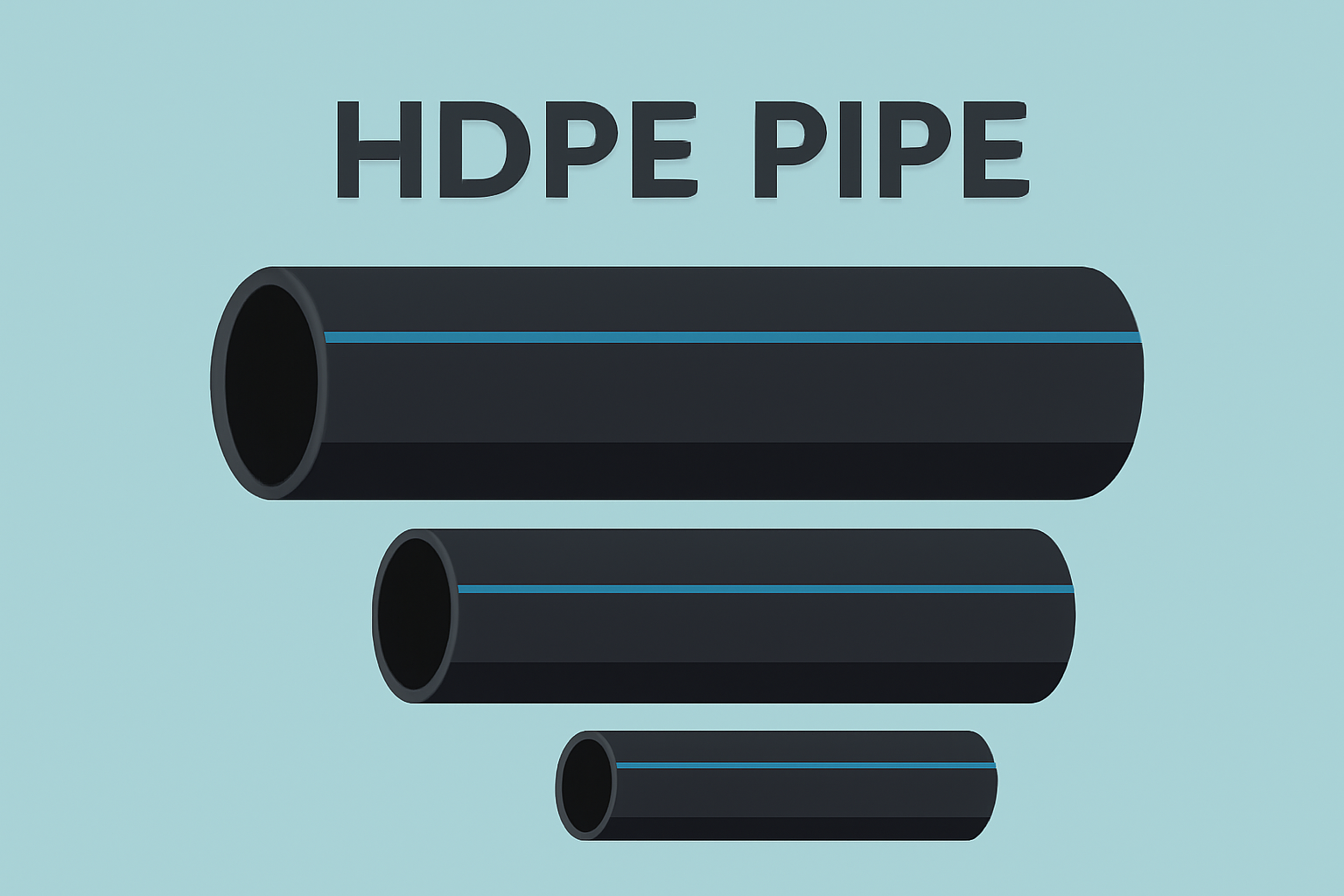
HDPE is known for its excellent recyclability. This material can be recycled multiple times without losing its quality, making it a sustainable choice for various applications.
Benefits of Using Recycled HDPE:
● Resource Conservation: Recycling HDPE reduces the need for virgin materials, conserving natural resources.
● Energy Savings: It takes less energy to produce products from recycled HDPE compared to new materials.
● Reduced Waste: Using recycled materials helps decrease landfill waste, contributing to a cleaner environment.
Recycling Process:
1. Collection: HDPE waste is collected from consumers and businesses.
2. Sorting: The materials are sorted to remove contaminants.
3. Processing: The clean HDPE is shredded and melted to create new products.
The production of HDPE has also evolved to incorporate eco-friendly practices. Manufacturers are increasingly adopting methods that minimize environmental impact.
Eco-Friendly Practices:
● Use of Renewable Energy: Many facilities are shifting to renewable energy sources, reducing reliance on fossil fuels.
● Water Conservation: Implementing water-efficient processes helps minimize water usage during production.
● Waste Reduction: Efforts to reduce waste during manufacturing lead to a smaller environmental footprint.
Impact on Sustainability:
● Lower Carbon Footprint: Sustainable production methods significantly reduce greenhouse gas emissions.
● Promotion of Sustainable Infrastructure: By using HDPE, communities can build resilient infrastructure that supports environmental goals.
Environmental Aspect | HDPE Pipes | Traditional Materials |
Recyclability | High | Varies |
Energy Consumption | Lower when recycled | Higher |
Carbon Footprint | Reduced through practices | Typically higher |
Resource Conservation | Significant | Limited |
Waste Generation | Lower | Higher |
By focusing on recyclability and sustainable production practices, HDPE pipes contribute positively to environmental efforts, making them a smart choice for the future.
In this article, we explored HDPE pipes and their significance.
We discussed their advantages, such as lightweight and corrosion resistance.
Additionally, we highlighted the environmental benefits of HDPE, including recyclability and sustainable production practices.
Understanding HDPE pipes is crucial for making informed choices in construction and infrastructure.
We encourage readers to consider using HDPE pipes for their upcoming projects.
A: HDPE stands for High-Density Polyethylene, a thermoplastic known for its strength and durability.
A: HDPE pipes are lightweight, corrosion-resistant, flexible, and have excellent impact resistance.
A: Yes, HDPE pipes are safe for drinking water applications and meet health standards.
A: HDPE pipes can last over 50 years with proper installation and maintenance.
A: Yes, HDPE is recyclable and produced using eco-friendly practices, minimizing environmental impact.


